STEAM STUDIO CURRICULUM
  • Home
    • About
    • Outcome Objectives
    • Professional Development
    • Outreach Programs and Partnerships >
      • Universities
      • Corporations
      • Government/DoD
      • Other Organizations and Institutions
    • After School/Summer Programs
    • Exemplar STEM Schools
    • Educational Thinkers
  • Exploratory
    • How does innovation happen?
    • Motivation-What Makes an Engaging Project?
    • AI Exploratory
    • Biotechnology Exploratory
    • Computational Thinking Exploratory
    • Engineering Exploratory
  • Core Courses
    • Massachusetts Frameworks
    • Middle School Frameworks/ Curriculum Outlines
    • CVTE Documents >
      • CVTE Course Descriptions
      • CVTE Reports and Guides
      • PLTW Course Descriptions
      • California Linked Learning
    • UCCI Integrated Core Courses >
      • UCCI Introduction
      • History, Citizenship, and Community
      • Science
      • Mathematics Courses
      • World Languages
  • Crash Courses
    • Crash Courses
    • Online Courses
  • Action Learning Labs
    • What is Action Learning?
    • Design Thinking
    • Action Learning Lab Menu
  • Instruction
    • Using Google Classroom
    • The New EdTech Classroom
    • Instruction Resources
    • Mindspark Education-Online Teaching Toolkit
  • Assessment
    • Types of Assessment
    • Formative Assessment Tools
Picture

D-Loft Shelter Course

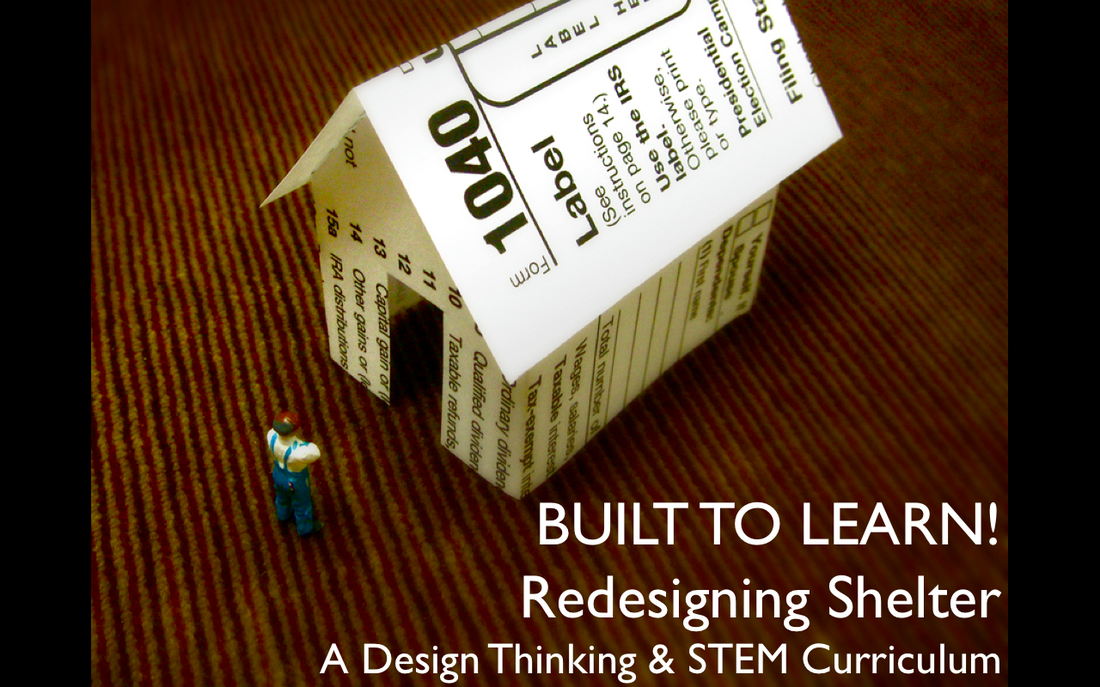
Built to Learn! Shelter CurriculumBUILT TO LEARN! Redesigning Shelter: An Integrated Design Thinking/STEM Curriculum is a four-week program, in which students explore shelter-based design thinking challenges and STEM activities related to shelter. The curriculum focuses on the intersection between design thinking, STEM, and shelter. The foundation of the curriculum is an enduring understanding: students will develop the creative confidence to fail forward by building successful shelters using both STEM concepts and the empathy-driven design thinking process. David Kelley, the founder of IDEO and Stanford’s Hasso Plattner Institute of Design (d.school) describes creative confidence as “having the courage to take creative risks (and fail) and the knowledge that all of the ideas you create have value.” Likewise, a “fail forward” mentality refers to “the never-give-up attitude of being willing to fail early and often in order to learn as much as possible to produce the best possible solution through real experience.”
Download curriculum document (pdf) | Download supplementary presentation slides (ppt)
Published 2014

Powered by Create your own unique website with customizable templates.